What Does Vltava Mean In English?
Vltava is thought to come from an old Germanic root meaning 'wild water'. Here is where the name comes from, how to say it, and the river it names through Prague.
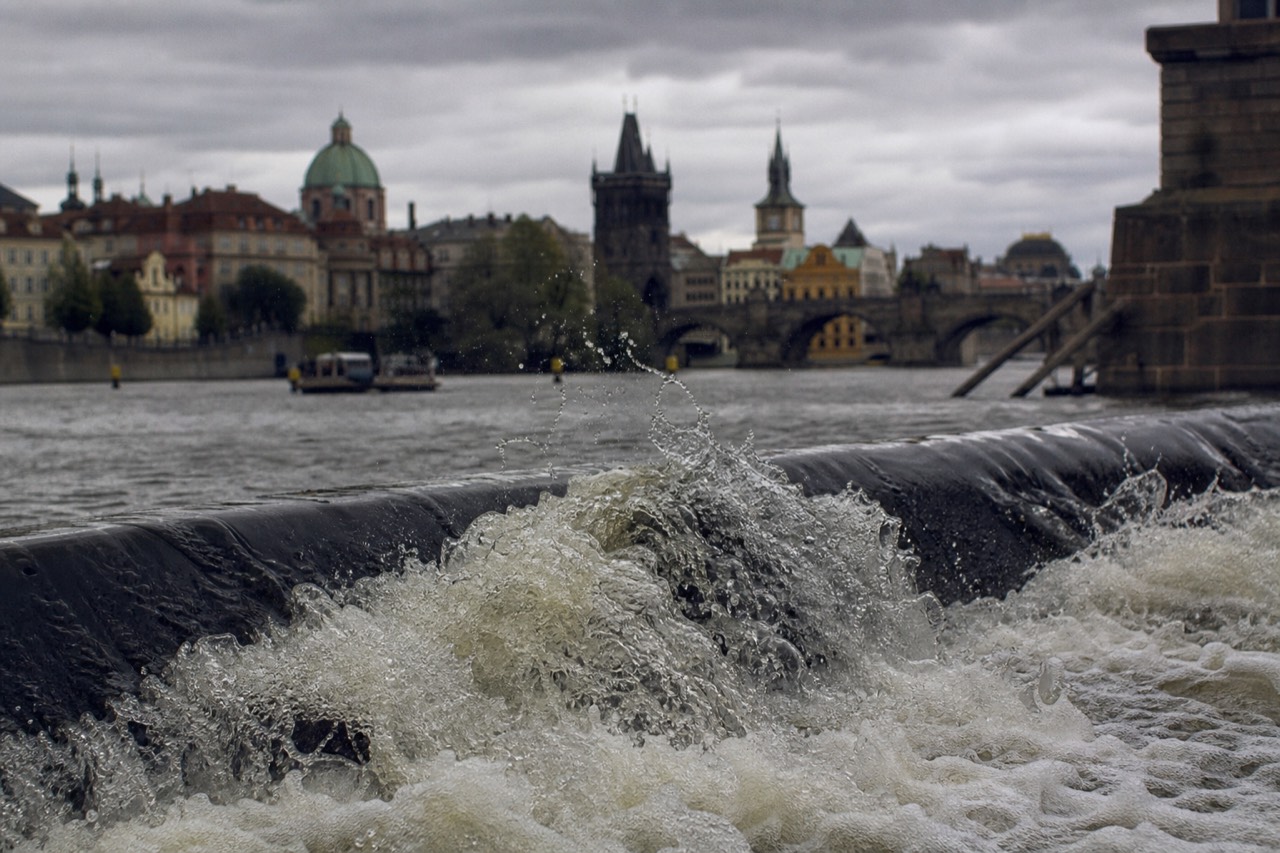
Vltava is thought to mean "wild water" or "wild river". The name traces to an old Germanic root, wilþijaz meaning wild and ahwō meaning water, later reshaped by Czech speakers into the form Vltava. It is the proper name of the river that runs through Prague, not a common word, which is why English keeps it untranslated.
Booking Choice: For a first look at the river itself, the 50-minute sightseeing cruise includes an online guide; choose the canal route for a closer Charles Bridge setting. Check The 50-Minute Cruise Date
You will not find "Vltava" in an English dictionary, because it is a place name rather than a word you translate on sight. But it does carry a meaning, and the meaning is a small surprise: the calm, locked stretch the tour boats use today was named for water that once ran wild and fast. The label stuck long before dams and weirs tamed the river through the city.
What Does The Word Vltava Actually Mean?
Most etymologists trace Vltava to Proto-Germanic roots, wilþijaz ("wild") joined to ahwō ("water"), giving a sense of "wild water" or "wild river". Germanic-speaking settlers along the banks named it, and Czech speakers later softened those sounds into the Vltava we say now. The meaning describes the river's old, untamed character.
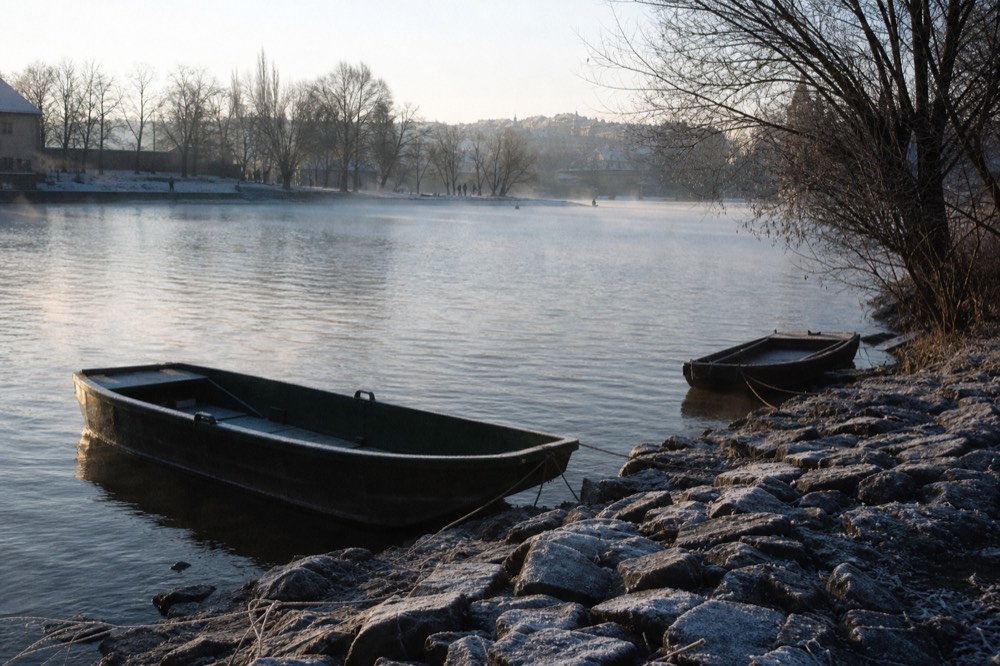
The reconstruction is laid out in the Wiktionary entry for Vltava, which walks back through the Germanic elements, and the Wikipedia article on the river carries the same origin. It is a fitting name for a river that, in flood, has shown exactly how wild it can be. The rest of the cluster picks up the story of the river's German name, Moldau, which comes from the same Czech root by a different path.
| Element | Origin | Meaning |
|---|---|---|
| wilþijaz | Proto-Germanic | Wild |
| ahwō | Proto-Germanic | Water, river |
| Vltava | Czech form | The river's proper name |
| Moldau | German form | The same river, German exonym |
How Do You Pronounce Vltava?
Roughly "VL-ta-va", with the stress on the first syllable and no vowel slipped in before the L. Czech treats the L as almost a syllable of its own, so the opening cluster is softer than English speakers expect. Say "vuhl" quickly, then "ta-va", and you are close enough for any ticket desk.
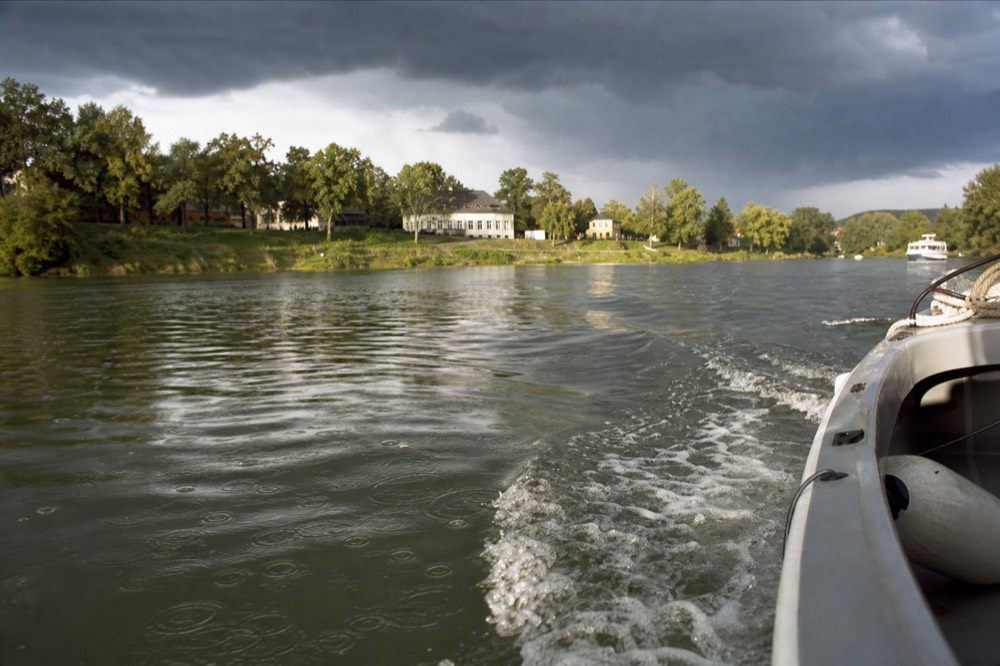
The word looks harder than it sounds. There is no need to force a vowel between the V and the L; the L simply carries the sound. Locals will understand a rough attempt instantly, and most cruise commentary is delivered in several languages anyway. If you would rather see the landmarks than practise consonants, a daytime run past the skyline pairs the river views with recorded sightseeing commentary.
Is Vltava The Same As Moldau?
Yes. Moldau is the German name for the same river, and it comes from the Czech Vltava rather than the other way round. It was first written down as "Moltaua" in 1253. You will see Moldau on German-language menus, maps and tour signs, and Vltava on Czech ones, but both point at the identical water through Prague.
Bohemia was bilingual for centuries, so the river naturally picked up two names that travel together to this day. Composer Bedřich Smetana used the German title Die Moldau when his most famous piece went out to concert halls abroad, which is a large part of why English-speakers meet the Moldau name first. Why the Vltava is called the Moldau tells that half of the story in full.
| Fact | Detail |
|---|---|
| Czech name | Vltava |
| German name | Moldau |
| First written German form | "Moltaua", 1253 |
| Meaning behind the name | "Wild water" |
| River it names | Prague's own, longest in Czechia |
What River Does The Name Vltava Belong To?
Prague's river, and Czechia's longest. The Vltava runs 431 km from the Šumava forest to the Elbe, threading through the middle of the city under eighteen bridges. The stretch you cruise is a small central arc past Charles Bridge, Prague Castle and the National Theatre, which is the postcard reach of the whole river.
So the name you are trying to pronounce belongs to the water every Prague cruise sails. The full river carries a lot of geography, but the cruised part is only the few kilometres of city centre. If the whole point is to be on that water, the small canal boat that slips around Charles Bridge is the quiet surprise of the fleet, tighter and closer than any big vessel. To choose between the sailings, every Vltava cruise compared is the place to start, and the boats that work this water can be compared by route and duration.
A wild name for a tame modern river, then, and a bilingual one at that. Whether you say Vltava or Moldau, you are naming the same reach of water the city was built along, and the best seat for it is a deck rather than a bridge.
Your Next Step On The Vltava
Prague Sightseeing Cruise: 50-Minute River Experience
Have a Prague date in mind? Check the 50-minute sightseeing cruise before fixing the rest of your day.
50 minutes. 50-minute cruise; Wi-Fi; Online guide. Audio in 3 languages; online guide in13; English selectable. Čech Bridge dock, pier 4; returns to same point. Wheelchair/stroller accessible per listing; electric wheelchair excluded.
Adjust Your Choice
Start with this general recommendation, or choose what matters to you. Allow additional time to reach the meeting point and check in.
- Prague Sightseeing Cruise: 50-Minute River Experience
- 50 minutes. 50-minute cruise; Wi-Fi; Online guide. Audio in 3 languages; online guide in13; English selectable. Čech Bridge dock, pier 4; returns to same point. Wheelchair/stroller accessible per listing; electric wheelchair excluded.
- Canal Cruise Around Charles Bridge
- 45 minutes. Cruise; Drink; Seasonal gingerbread or summer ice cream; Charles Bridge Museum admission. Audio in 19 languages including English; headphones supplied. Charles Bridge Museum, Křižovnické nám. 191/3; descend stairs to ticket counter. Not suitable for wheelchair users.
- 50-Minute Sightseeing Evening Cruise
- 50 minutes. River cruise; Wi-Fi; Audio and printed guide. Audio commentary in 3 languages; app in 13 and printed guide in 16; English selectable. Pier 4, Dvořákovo nábřeží; QR code at boat. Not suitable for mobility impairments; Large bags/luggage prohibited.
Choose a date to see published departures. Seats and final prices are confirmed on Viator.
No listed cruise fits those choices. Adjust the experience or time, or reset to the general recommendation.