Why Is The Vltava River Called The Moldau?
Moldau is the German name for the Vltava, first written down as 'Moltaua' in 1253 and made famous worldwide by Smetana's symphonic poem. Here is the full story of the two names.
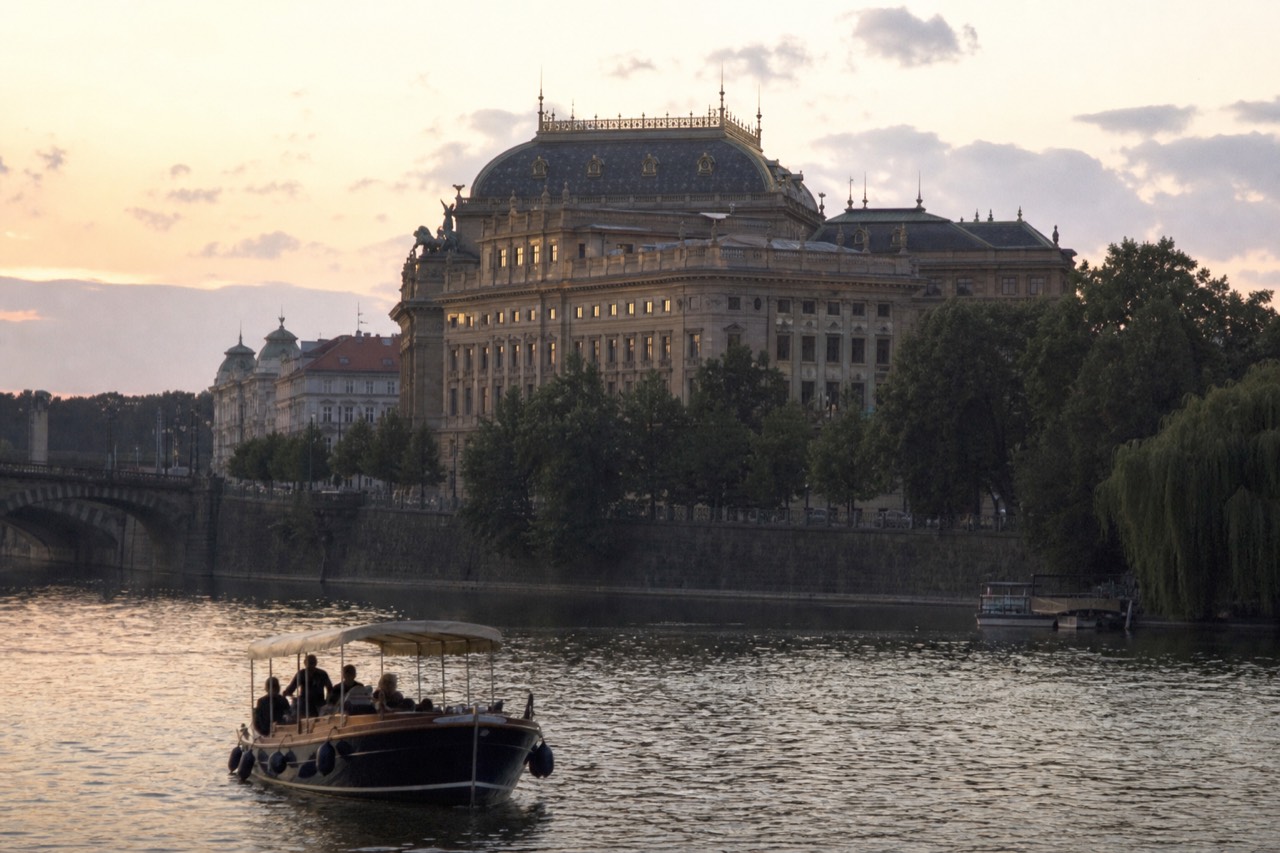
Moldau is simply the German name for the Vltava. German-speakers in and around Bohemia used it for centuries, and it was first written down as "Moltaua" in 1253. Bedřich Smetana's 1874 symphonic poem Vltava, published abroad under the title Die Moldau, then carried that name into concert halls all over the world.
Booking Choice: Start with a short river outing for the Prague setting; choose the Jazz Boat only if you want a separate live-jazz evening. Check The 50-Minute Cruise Date
Two names for one river is not an accident here. For centuries Bohemia was a bilingual land where Czech and German lived side by side, and a great many of its rivers, towns and hills ended up with a name in each tongue. The Vltava is the most famous example, and the reason English-speakers so often meet the German form first comes down to a single, wildly popular piece of music.
Is Moldau Just The German Name For The Vltava?
Yes. Moldau is the German exonym for the Vltava, and it derives from the Czech name rather than standing apart from it. The earliest surviving written form is "Moltaua", recorded in 1253. Across German maps, menus and older histories the river is the Moldau; in Czech it has always been the Vltava. Both name the identical water.
The two forms grew from the same root and simply travelled through different languages. The Wikipedia article on the Vltava records the 1253 "Moltaua" attestation and the German usage that followed. If you want the meaning underneath both names, what Vltava means in English traces it back to an old Germanic sense of "wild water".
| Czech | German | |
|---|---|---|
| Name | Vltava | Moldau |
| First written form | Vltava | "Moltaua", 1253 |
| Meaning behind it | "Wild water" | Same, borrowed from the Czech |
| Where you see it today | Czech maps and signs | German menus and tours |
How Did Smetana's Music Spread The Name Moldau?
Bedřich Smetana composed the symphonic poem Vltava between 20 November and 8 December 1874 as the second movement of his cycle Má vlast, "My Homeland". It premiered on 4 April 1875. When the work reached foreign audiences it was billed as Die Moldau, so the German name became the one the world hummed.
The music itself is a journey down the river. It opens with two trickling springs, the Teplá and Studená sources, then broadens through forests and meadows, past a village wedding and a moonlit dance, before sweeping toward Prague and the old castle of Vyšehrad. The Má vlast entry sets out the full programme. That river-in-sound is a large part of why the Vltava is treated as a national symbol, a point what makes the Vltava so special takes further.
| Smetana's Vltava (Die Moldau) | Detail |
|---|---|
| Composed | 20 Nov to 8 Dec 1874 |
| Part of | Má vlast, its second movement |
| Premiered | 4 April 1875 |
| Depicts | The river's course from its springs to Prague |
| 150th anniversary | Marked in 2025 |
Which Name Should You Use In Prague Today?
Use Vltava. It is the Czech and official name, the one on street signs, ticket desks and the boats themselves. Moldau still turns up on German-language tours and menus, and everyone will understand it, but Vltava is what locals say. Whichever you use, you are pointing at the same river through the city.
There is no wrong choice, only a local one. A German visitor asking for a Moldau cruise and a Czech asking for a Vltava cruise are booking the identical boat. To see how those boats differ by hour, meal and route, every Vltava sailing compared sorts the whole fleet, and our pick among them names the best value. A short evening loop is the easy first choice.
Can You Hear The Moldau On The River Itself?
Not the Smetana piece specifically, but the river carries live music of its own. The jazz boat runs three sets of live concert across the water, and the verified dinner and lunch cruises also include live music. You are sailing the exact reach Smetana wrote about, so the setting does the rest even without the score.
There is a real pleasure in floating the water that inspired one of the most recognisable pieces of Czech music. The live-jazz sailing turns that into an evening in its own right, a concert with the lit embankment sliding past the windows. The boats working the same water can be compared by route and duration, so you can match the mood you want to the hour you have.
Two names, then, and one river that earned both. Vltava on the signs, Moldau in the concert programme, and the same central arc under eighteen bridges either way. Sail it once and the music makes a great deal more sense.
Your Next Step On The Vltava
Prague Sightseeing Cruise: 50-Minute River Experience
Have your Prague date in mind? Check a short sightseeing departure before arranging the rest of your day.
50 minutes. 50-minute cruise; Wi-Fi; Online guide. Audio in 3 languages; online guide in13; English selectable. Čech Bridge dock, pier 4; returns to same point. Wheelchair/stroller accessible per listing; electric wheelchair excluded.
Adjust Your Choice
Start with this general recommendation, or choose what matters to you. Allow additional time to reach the meeting point and check in.
- Prague Sightseeing Cruise: 50-Minute River Experience
- 50 minutes. 50-minute cruise; Wi-Fi; Online guide. Audio in 3 languages; online guide in13; English selectable. Čech Bridge dock, pier 4; returns to same point. Wheelchair/stroller accessible per listing; electric wheelchair excluded.
- Jazz Boat: Popular Live Jazz Cruise
- 2.5 hours. Cruise; Three jazz sets; Three-course dinner with Popular option. Live jazz; commentary language not specified. Jazz Boat, Terminal 18, Dvořákovo nábřeží; returns here. Not wheelchair accessible; Maximum 32 travelers on listing.
- 50-Minute Sightseeing Evening Cruise
- 50 minutes. River cruise; Wi-Fi; Audio and printed guide. Audio commentary in 3 languages; app in 13 and printed guide in 16; English selectable. Pier 4, Dvořákovo nábřeží; QR code at boat. Not suitable for mobility impairments; Large bags/luggage prohibited.
Choose a date to see published departures. Seats and final prices are confirmed on Viator.
No listed cruise fits those choices. Adjust the experience or time, or reset to the general recommendation.